

History of the Carnival in Venice
The Tradition of Carnival in Venice
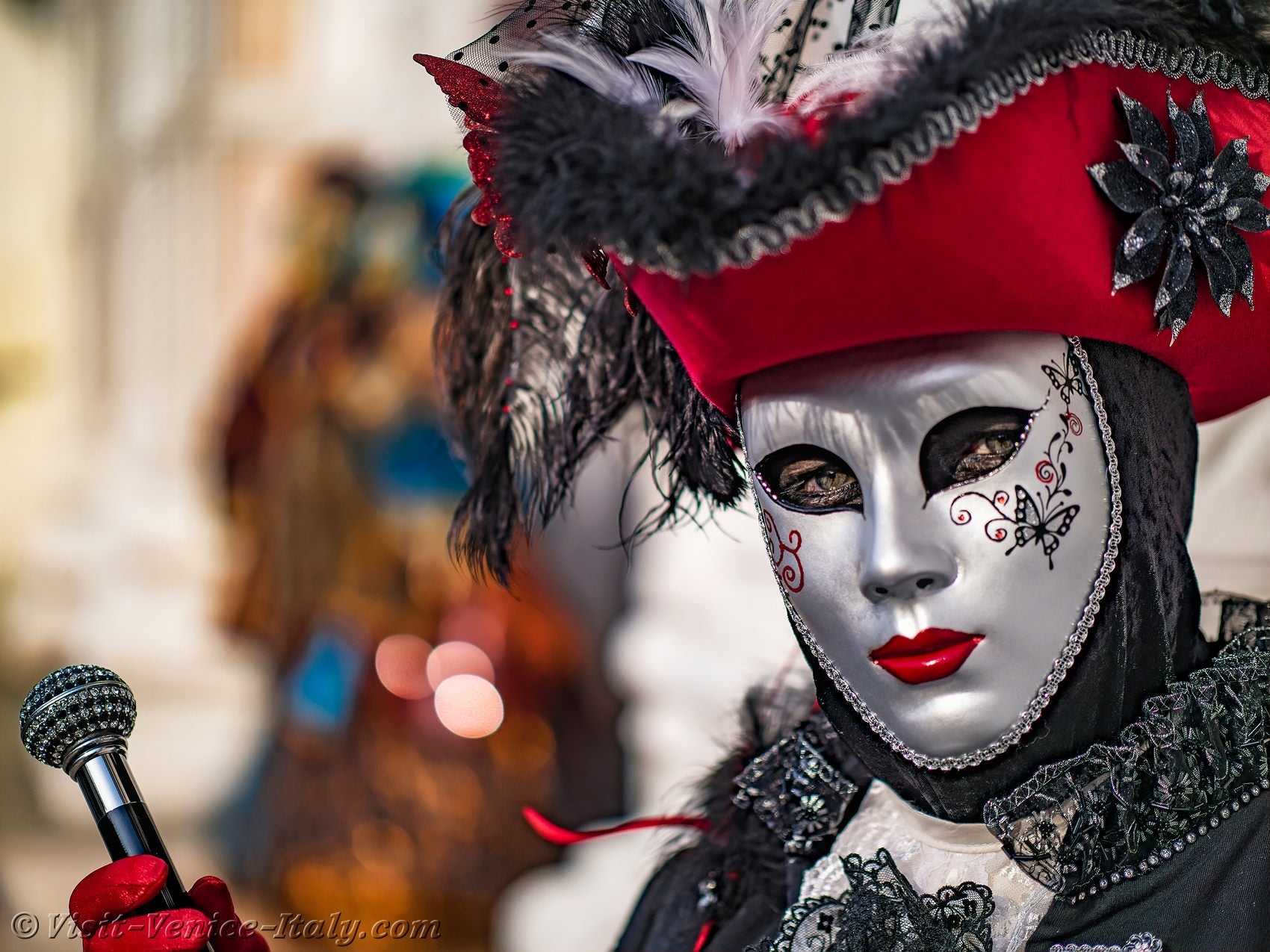
Venice Carnival Since 5th century, the people maximized the opportunity during last days before the beginning of the Lent to amuse themselves and savor the pleasures and joy of life.
In 1094 carnival was already mentioned in a charter of the doge Faliero and in 1269 the Senate approved that they should designate the day before Lent as a holiday (Fat Tuesday).
They could then carry the mask, thankful to find a measure of equality lost in the course of time later, when under borrowed clothes; the noblemen still fraternized with the people.
In return for political inaction, the people became attached to this glorious pomp which characterized memorial holidays of Venice, when conflicts between the big families were forgotten; in hunt of bulls and of course the festivals of the carnival, which served for showing all seductions of wealth, all fads of fashion.
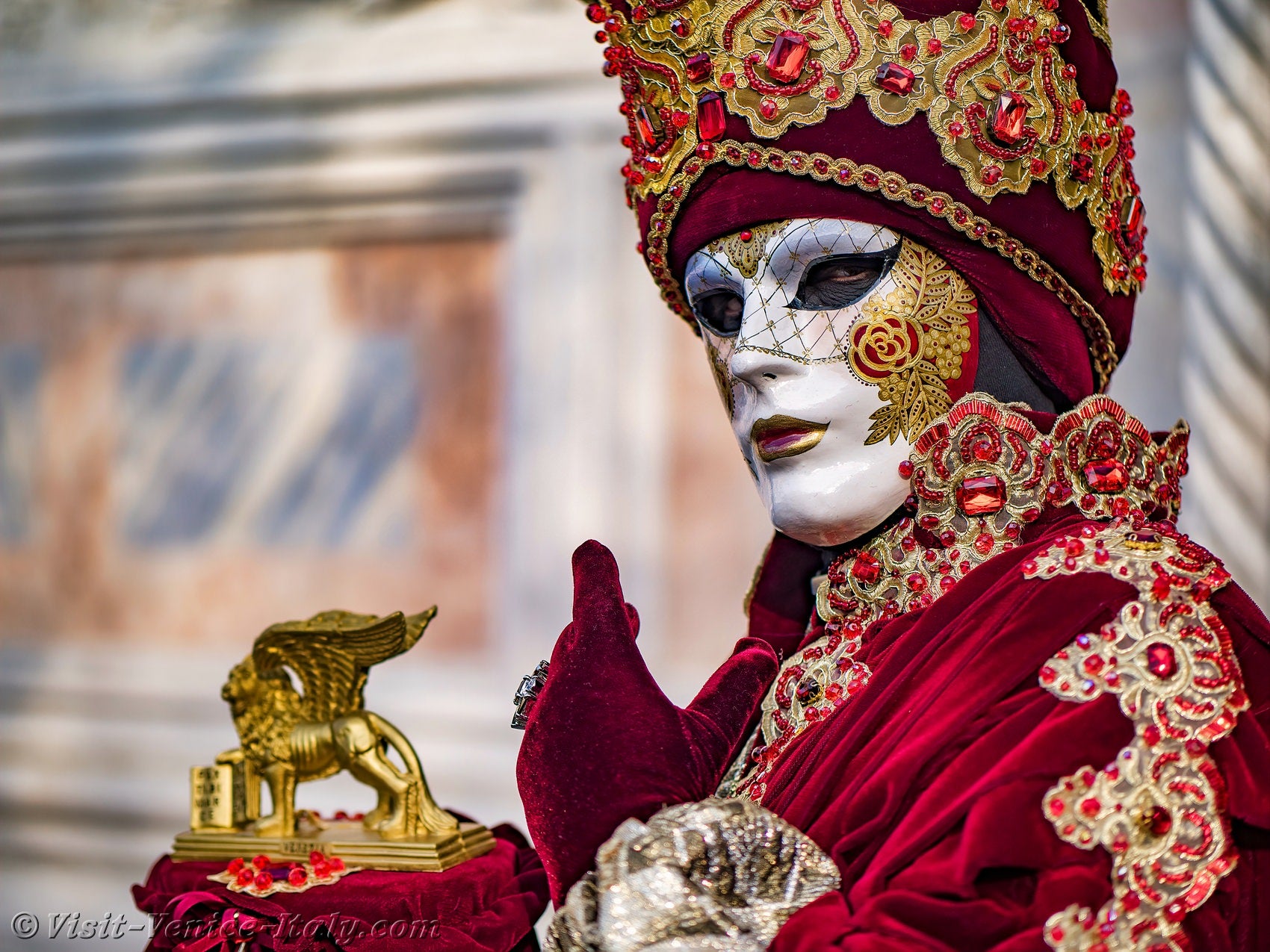
Venice Carnival During the holidays, and especially carnival, ardor and joy burst with life, harmony of colors, pomp and emulation of luxury.
To avoid public resentment, a law forbade the rich men Venetian to wear their jewelry publicly, except during official holidays and during the last carnival days! Carnival allowed them to finally satisfy all their affectations.
In the middle of active, mobile, cheerful multitude, among the flickering torches and the noise of the trumpets, circulated masks of a thousand disguises in fancy scintillating dresses of gold and gems, and matrons in precious dresses with trains so immense they were carried by maidservants.
In the middle of this mélange, the people were rather good and peaceful. Seldom did the huge crowd have any brawls or menacing gestures. There was no need for police officers or security forces: the throngs passed peaceful and merry across calli, like a true family celebration.
The Reputation of the Venice carnival

Venice Carnival The reasons for the popularity and success of the Venice carnival since revival (and perhaps even before) are political and economic at the same time.
The people, who enjoy holidays and public entertainment, found both entertainment and pleasure during the carnival, but also especially a freedom of expression which existed at no other time or place.
They could criticize and make fun of whomever they wanted when they wanted: during carnival, the aristocratic Republic became a democracy in the form of laughter and joy.
The rules of precedence faded, only the festival of the carnival gathered everyone under its banner. The social release during the carnival was a factor in keeping the peace.
The massive arrival of the foreigners, (between 20 and 30,000, by some estimates) among whom they could count monarchs, who came to enjoy the entertainment and pleasure that the incognito of the mask afforded them, represents an economic manna for Venice doubled by a unique reputation for freedom and splendor.
Following Page - The Mask and Freedom!
Back to Top of Page